Taking Time
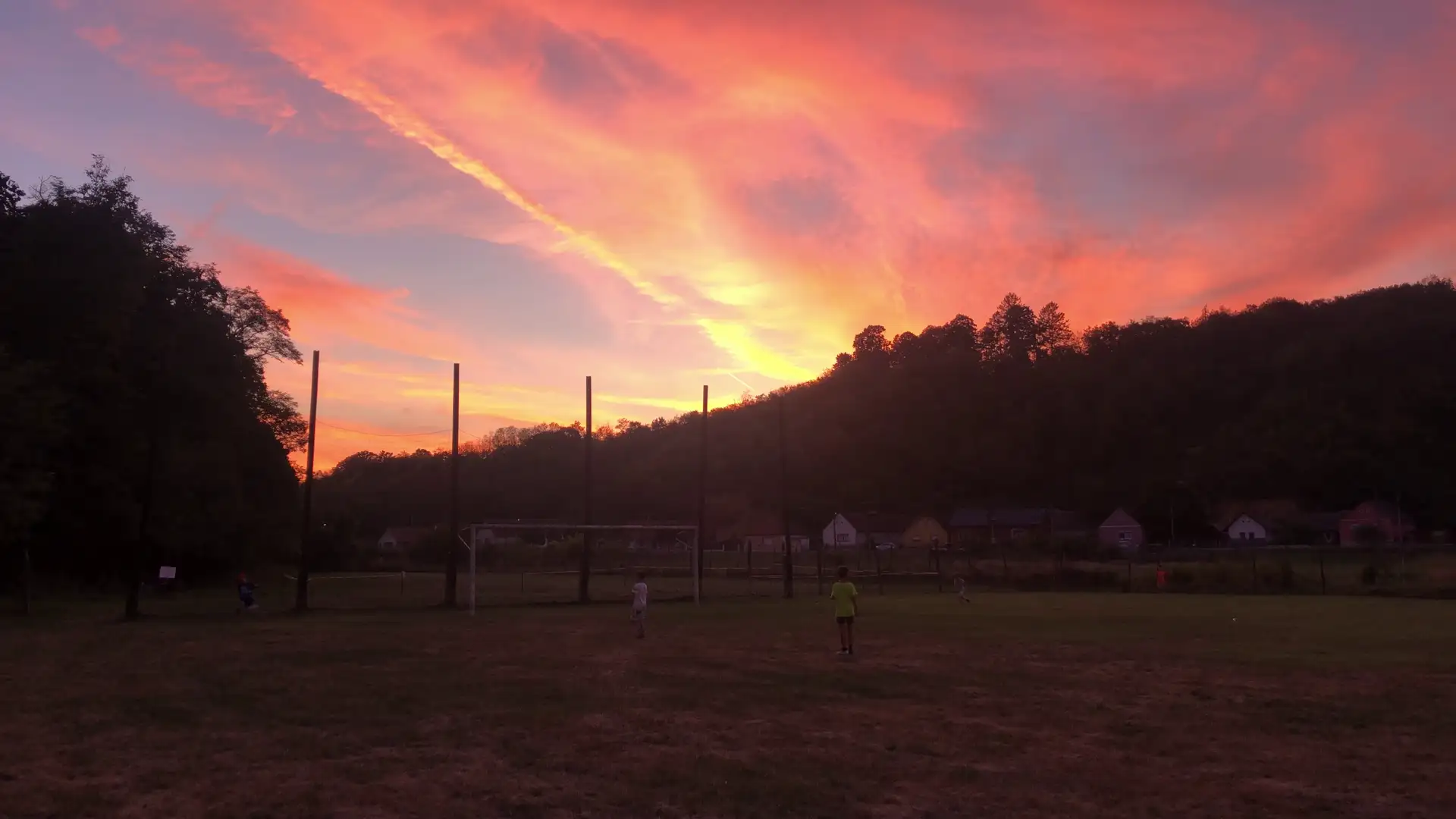
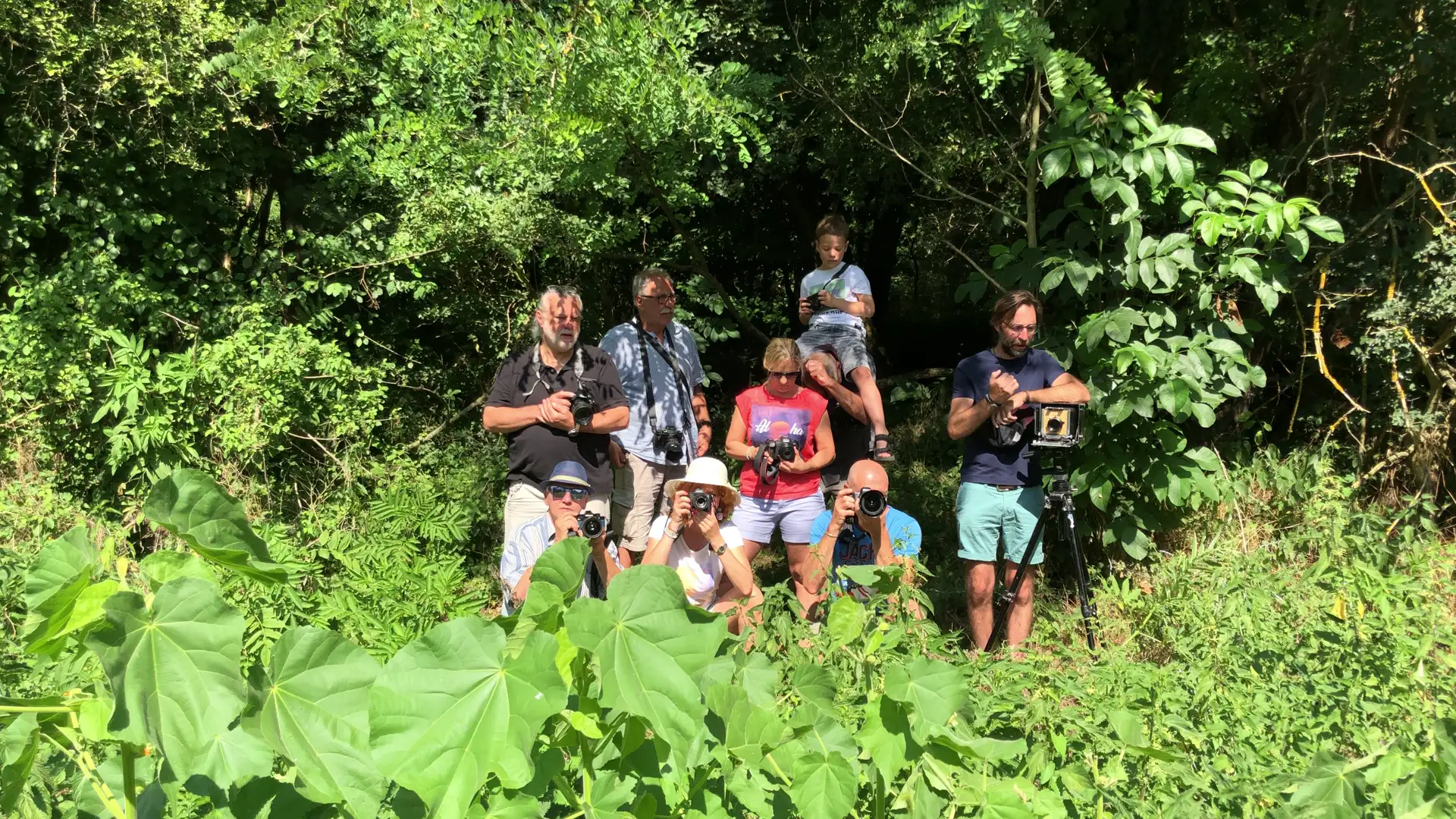
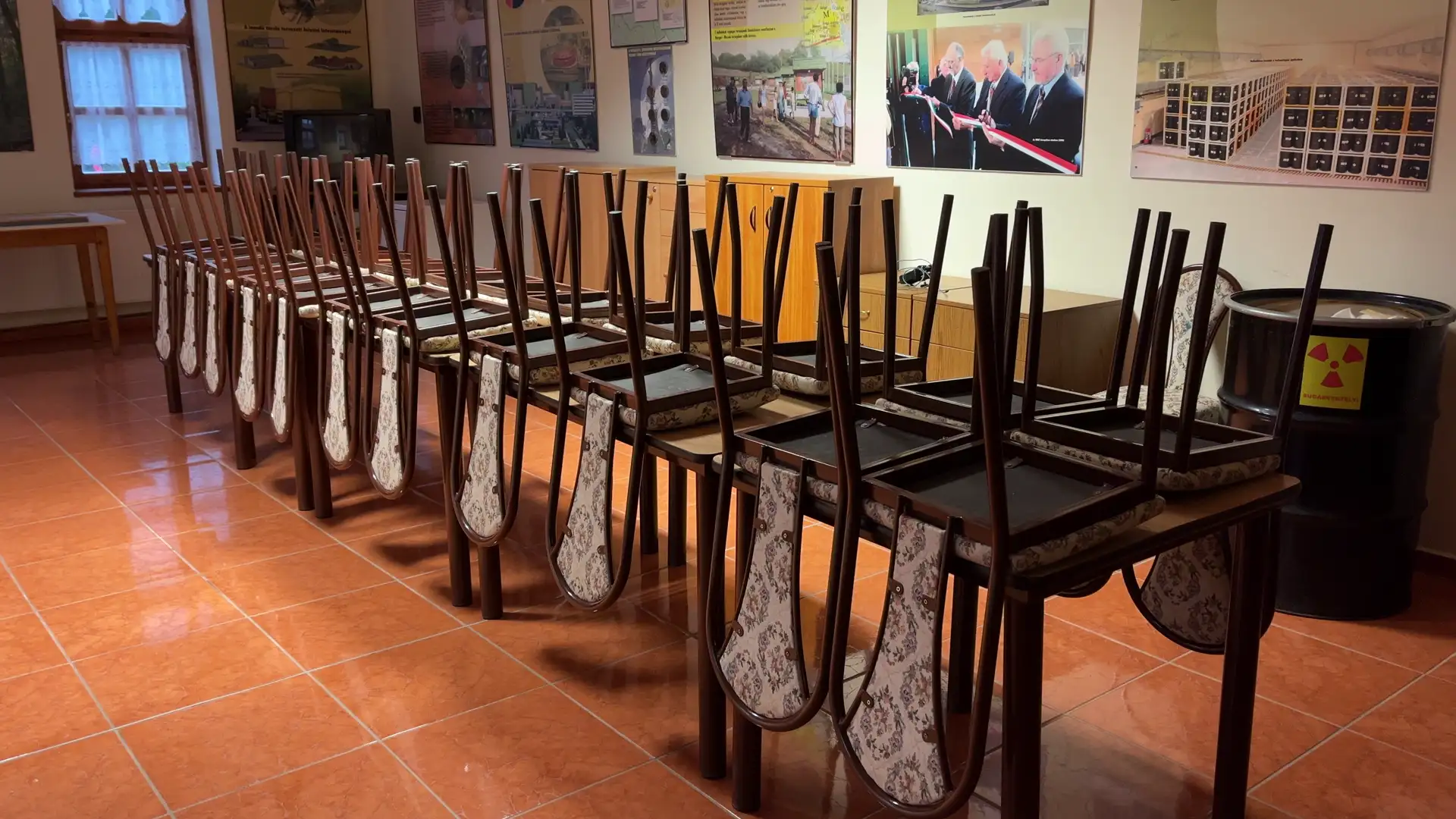
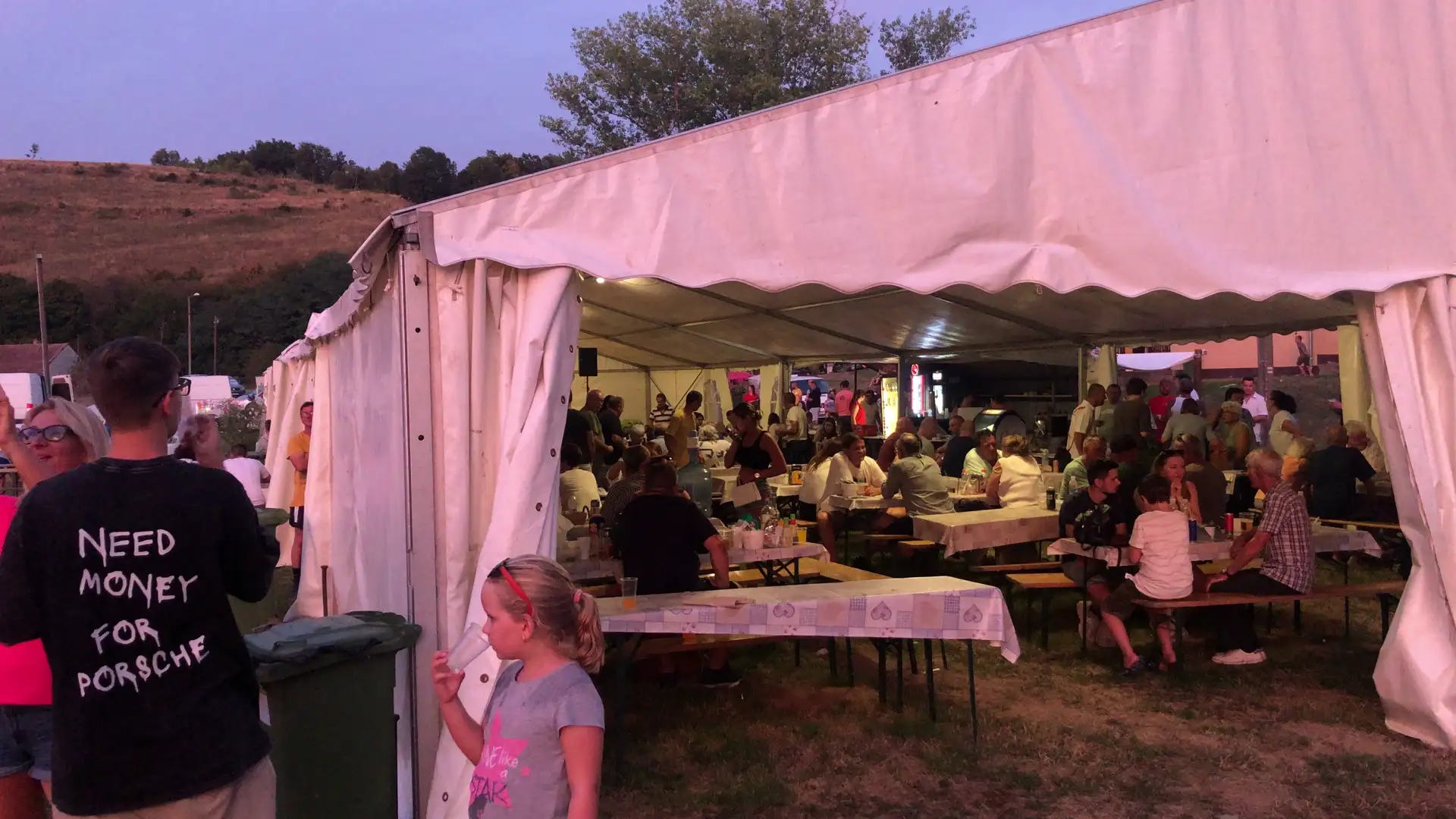
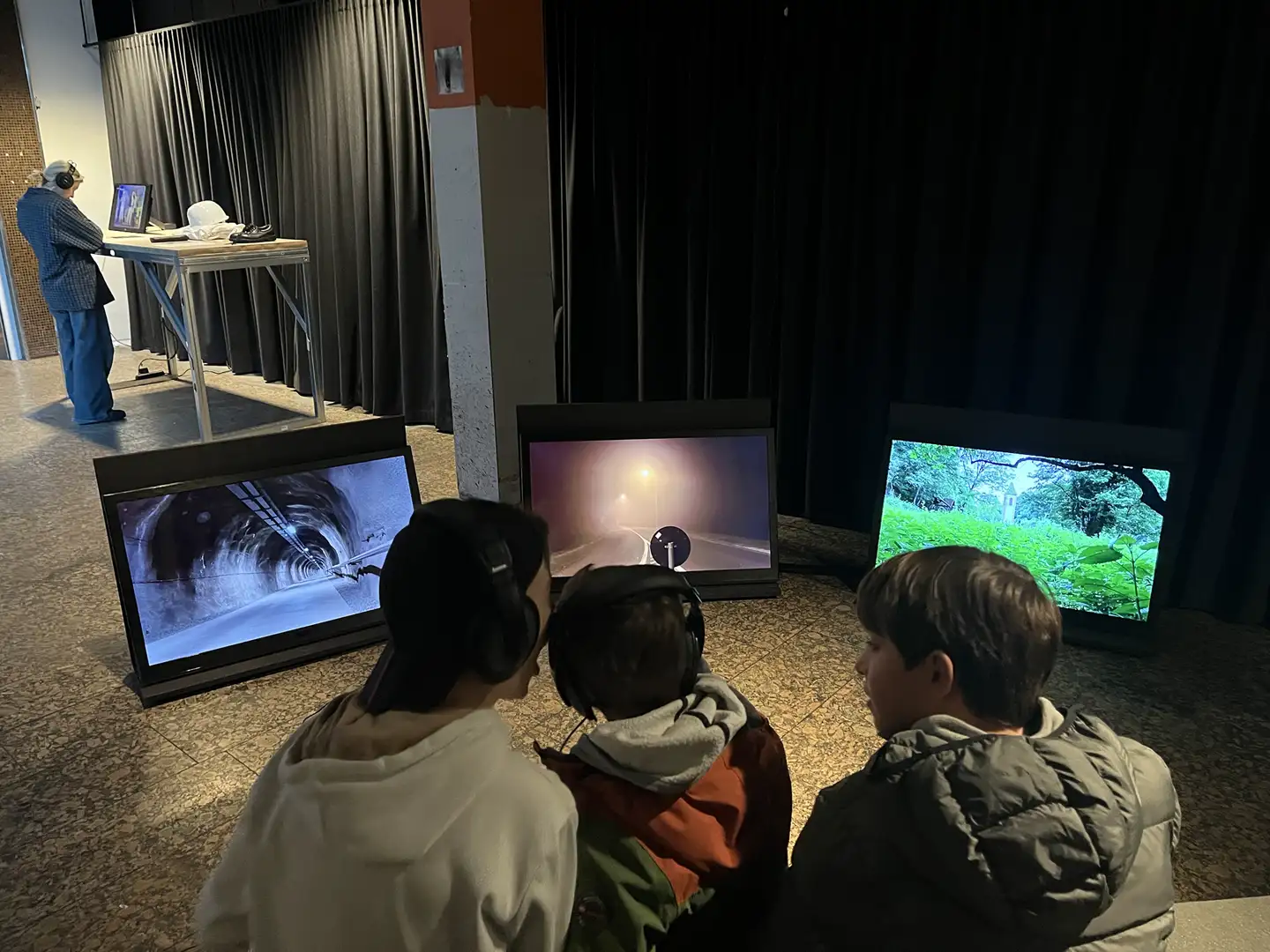
Taking Time is a three-channel film installation by Krisztina Erdei and Dániel Misota developed through a long-term collaboration with the community of Bátaapáti, a village in southern Hungary that has hosted the country's repository for low- and intermediate-level radioactive waste since 2011. Rather than focusing on the repository itself, the project examines how its presence quietly permeates everyday life. Through conversations and collaborative filmmaking with local residents, the artists explore how personal memories, local history, and collective identity unfold alongside an infrastructure designed to outlast human civilization.
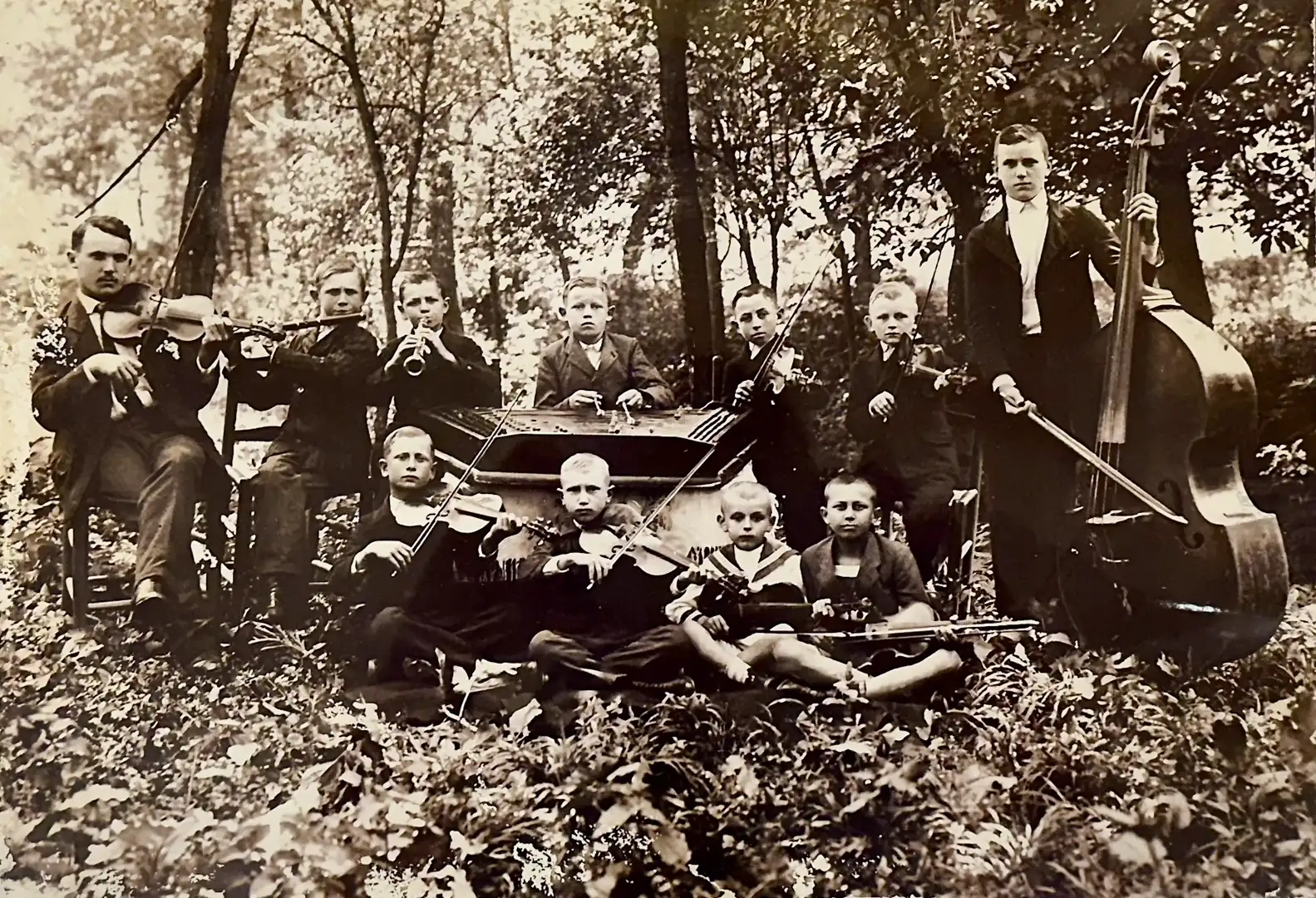
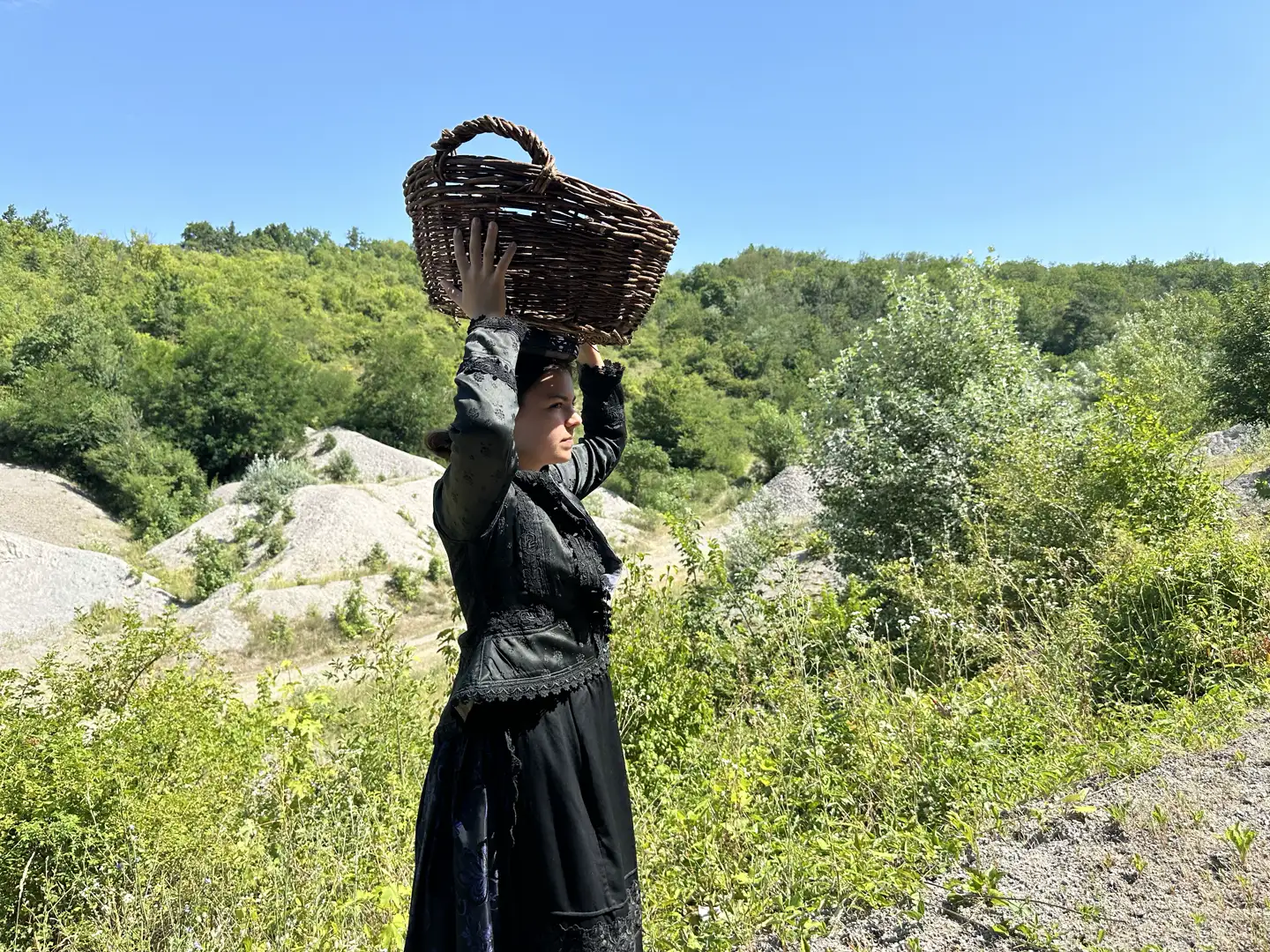
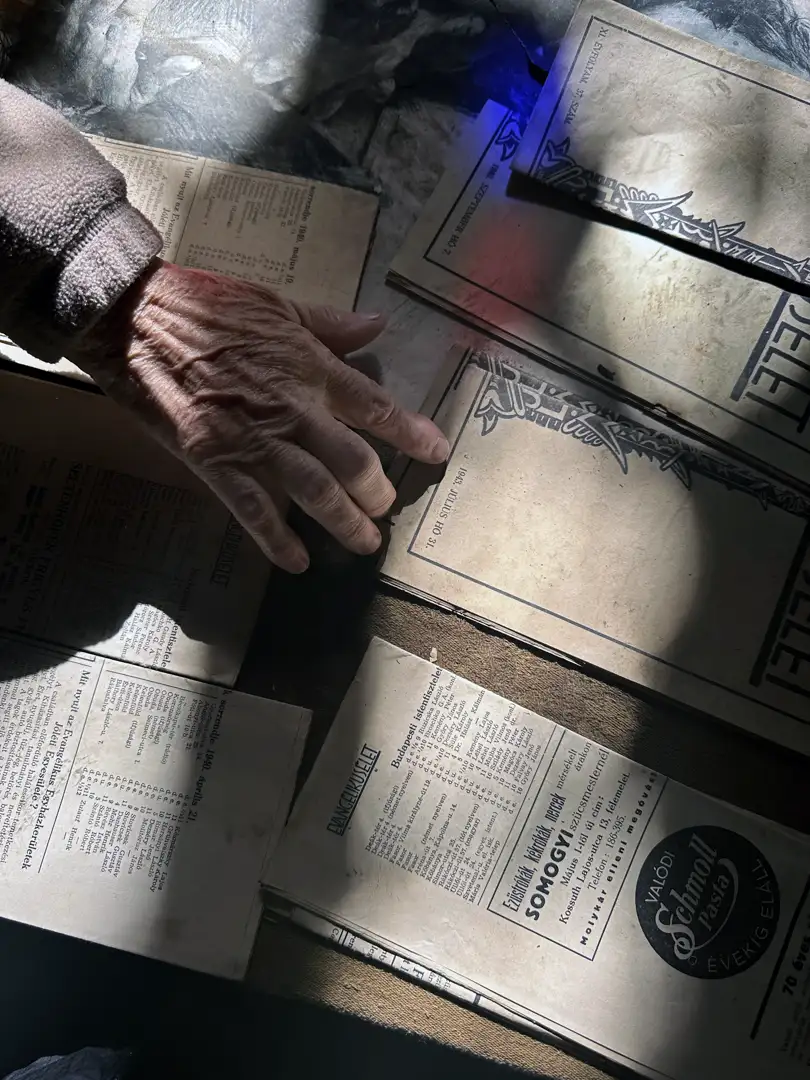
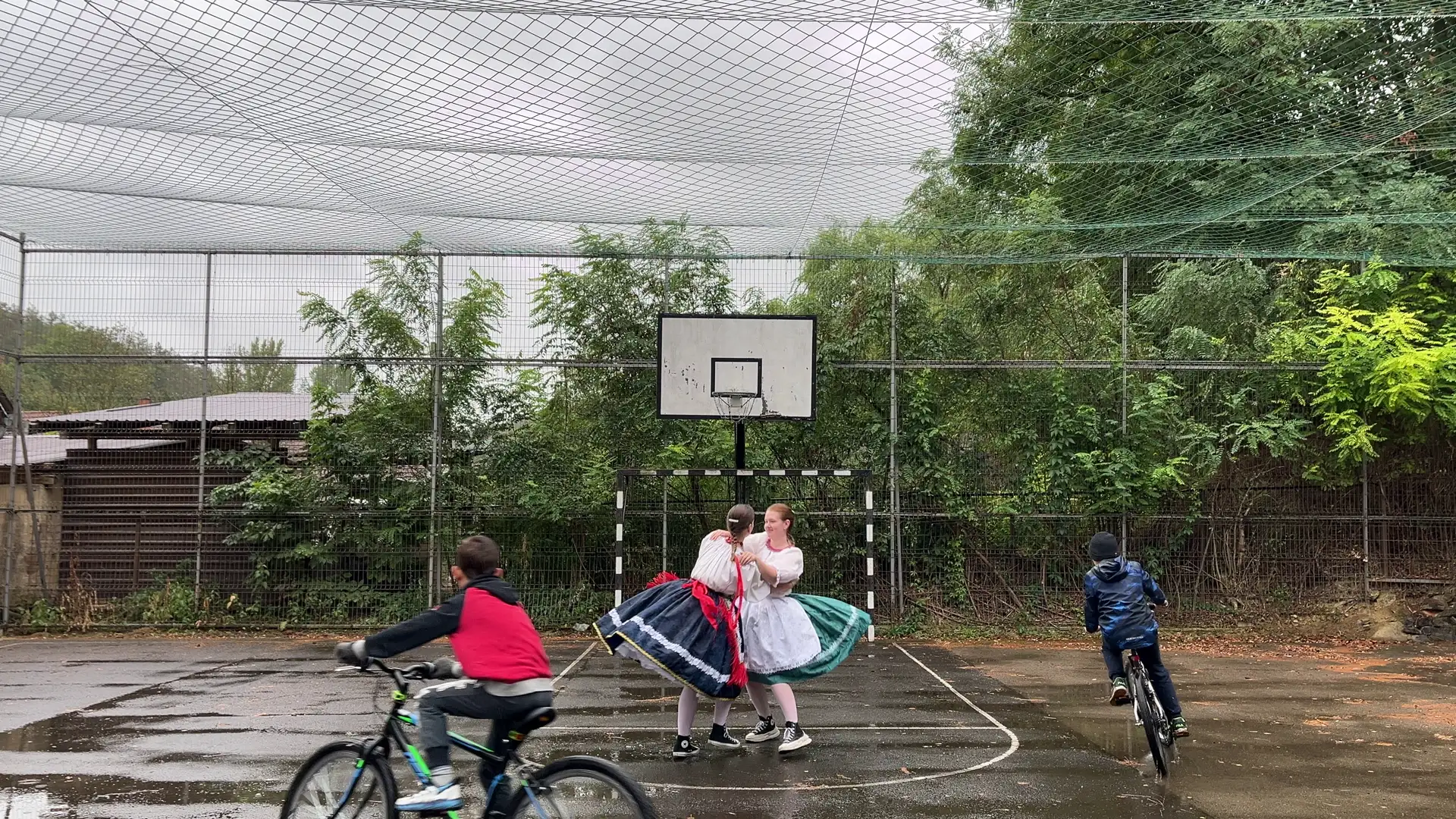
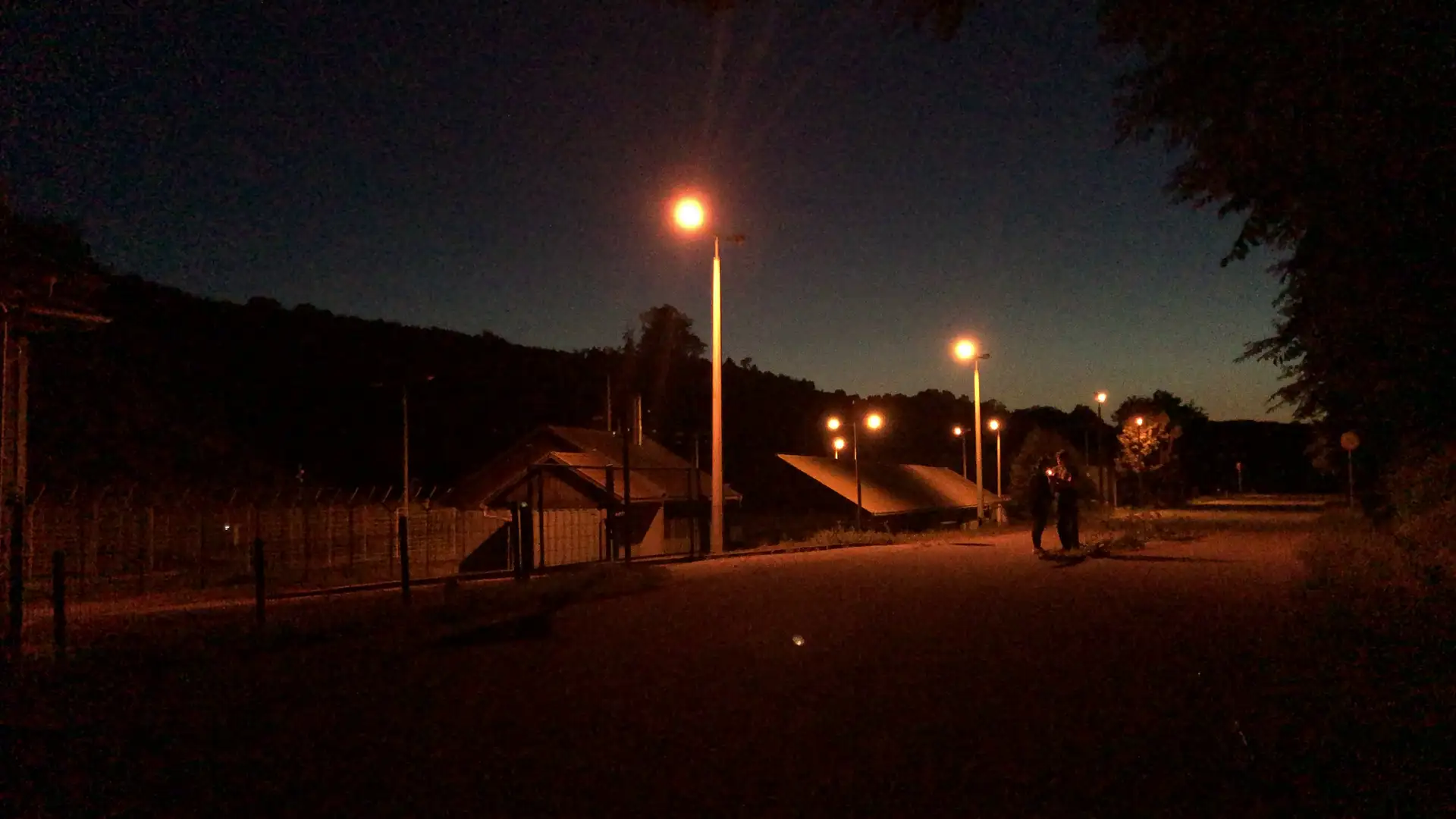
Over the course of more than a year, Erdei and Misota returned regularly to Bátaapáti, collecting stories from residents across generations about work, family, migration, love, and loss. These accounts became the basis of the central film, in which villagers re-enact fragments of one another's memories in locations throughout the settlement. By shifting stories between people and places, the film dissolves the boundary between individual and collective memory, creating an alternative history shaped through participation rather than archival authority.
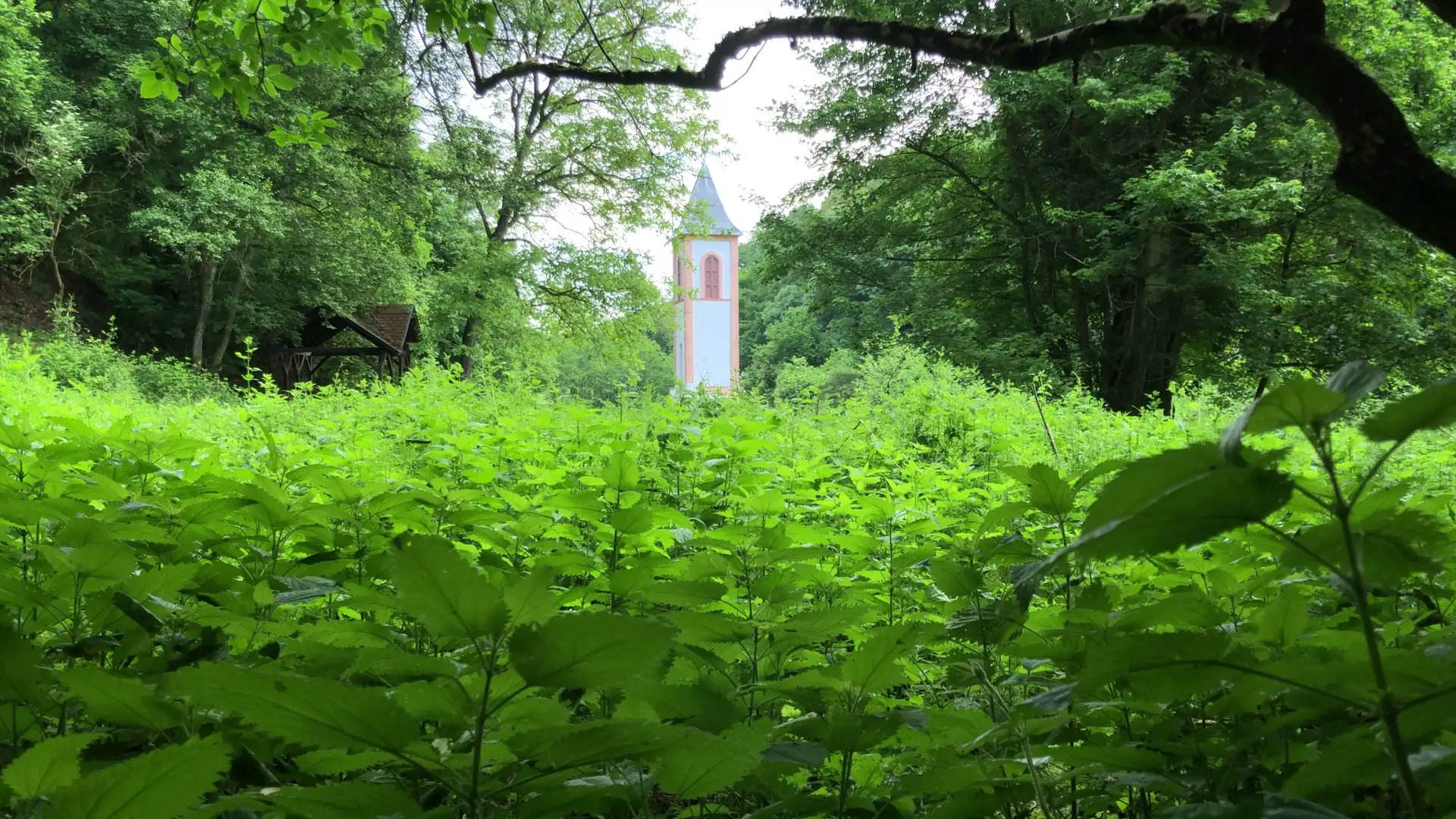
The central narrative is framed by two slow-moving films. One enters the repository itself, where the camera lingers on the geological surfaces of the tunnels and the precisely engineered containers of radioactive waste. The other observes the isolated church tower of nearby Üveghuta, the last visible remnant of a once-thriving German village whose disappearance resulted from economic decline, migration, and post-war deportations. Together, these two landscapes—one preserving the by-products of contemporary industry for tens of thousands of years, the other bearing the fragile traces of a recently vanished community—expand the temporal horizon of the installation beyond the scale of individual lives.
Taking Time reflects on memory, environmental responsibility, and the relationship between human and geological time. By privileging lived experience over official histories and scientific narratives, the work considers how communities inhabit places marked by infrastructures whose consequences extend far beyond human lifetimes. The repository becomes not only a technological monument but also a new cultural landmark, reshaping the meaning of the village while confronting viewers with the radically different timescales of the Anthropocene.
.webp)
.webp)